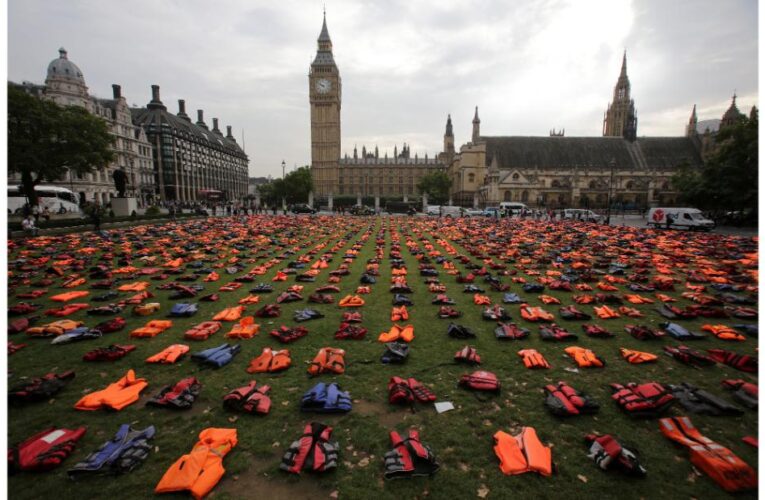
How Syria’s war changed the world
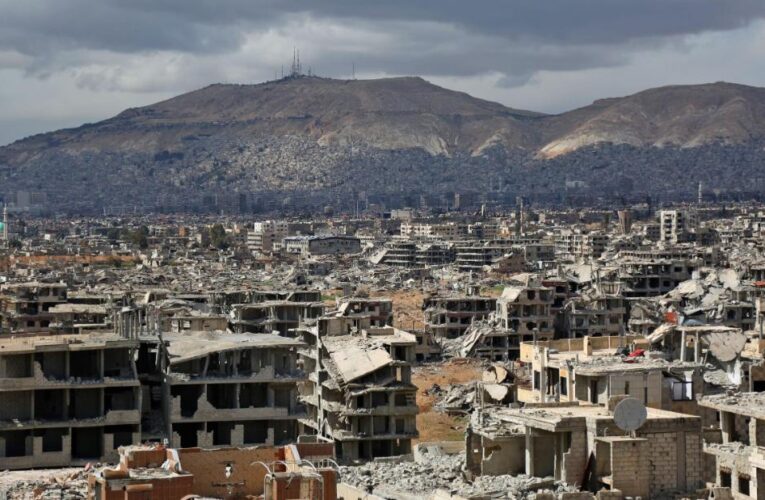
The consequences of seven years of war in Syria extend well beyond its shores, and have changed the way the West does politics.

Beirut Lebanon Arab World News






The consequences of seven years of war in Syria extend well beyond its shores, and have changed the way the West does politics.
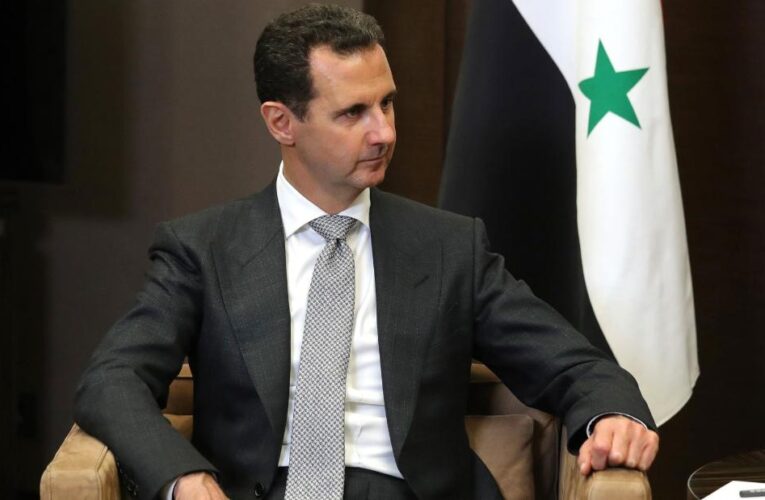
In the summer of 2015, Bashar al-Assad was in trouble. Then an Iranian general went to Moscow, and the tide of Syria’s conflict began to change.
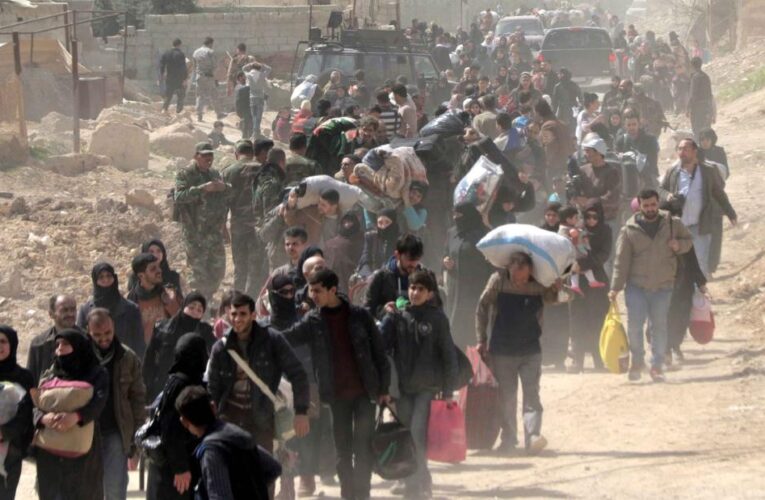
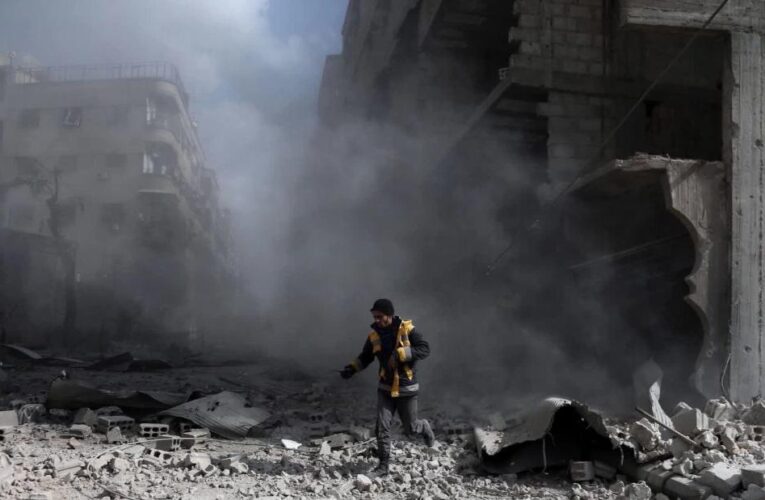
Thousands of Syrians reportedly fled the rebel-held enclave of Eastern Ghouta on Thursday in what appeared to be a mass exodus of civilians out of the besieged area.
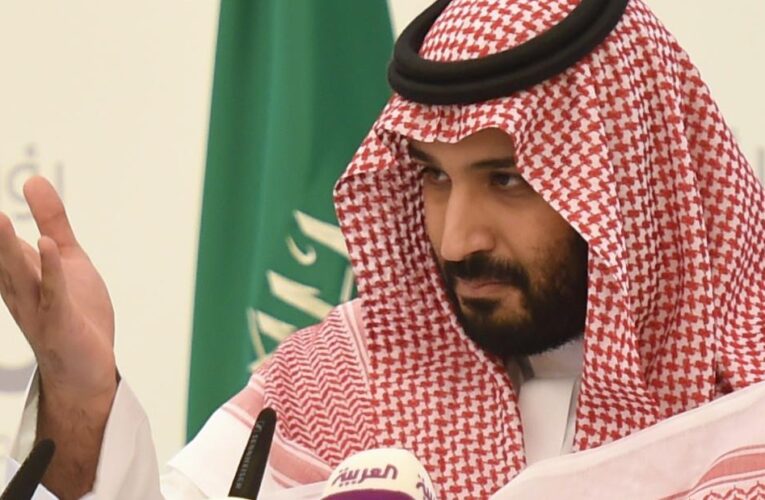
Saudi Arabia will develop nuclear weapons if Iran does the same, Crown Prince Mohammed bin Salman, Saudi’s defense chief and heir to the throne, said Thursday.
The Syrian regime has splintered the rebel-held enclave of Eastern Ghouta into three parts after the army intensified its onslaught in the area over the weekend.
The Syrian regime took control of several villages east of the besieged rebel-held enclave of Eastern Ghouta Sunday, according to the official news agency SANA.
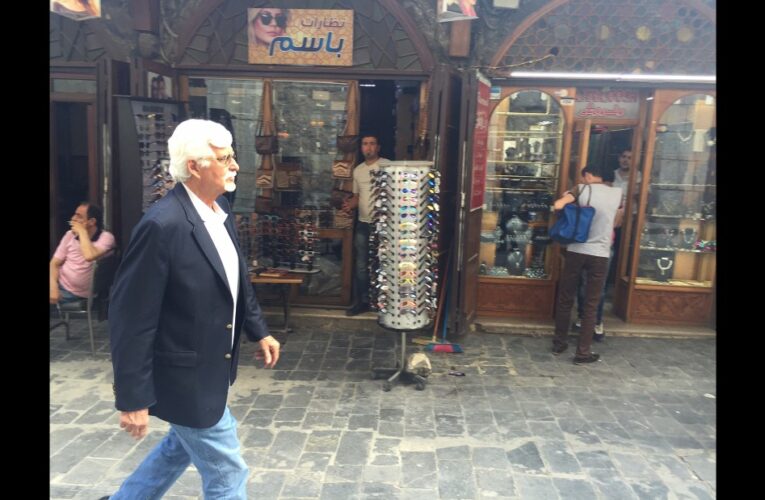
American Thomas Webber, 71, loves living in Damascus despite the brutal civil war that grips Syria.
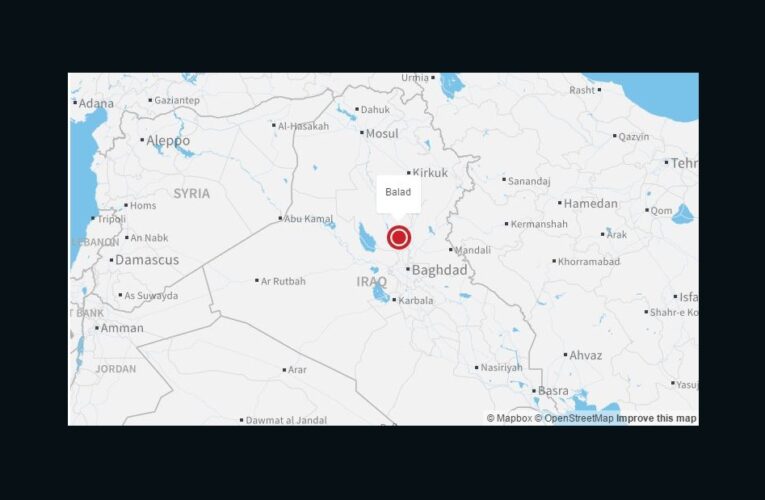
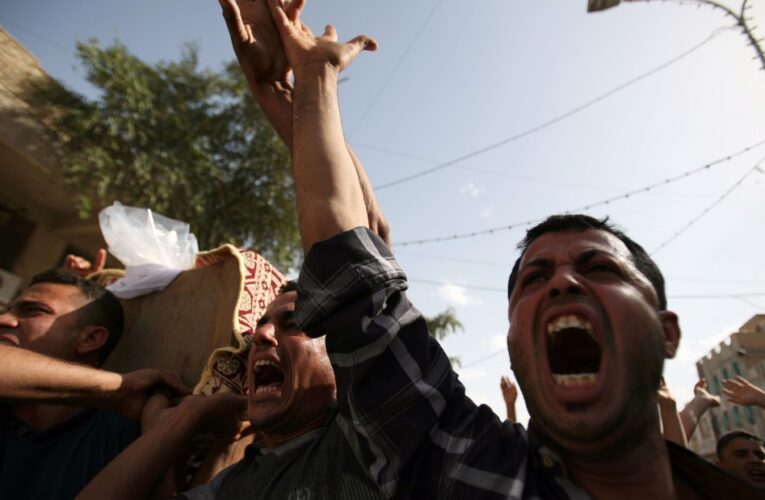
Militants gun down coffee shop patrons in Balad before then blowing themselves up and security personnel, killing at least 20 people, officials said.
Iraqi security forces and Sunni tribal fighters killed 10 ISIS militants in an hours-long clash Saturday, security sources said.
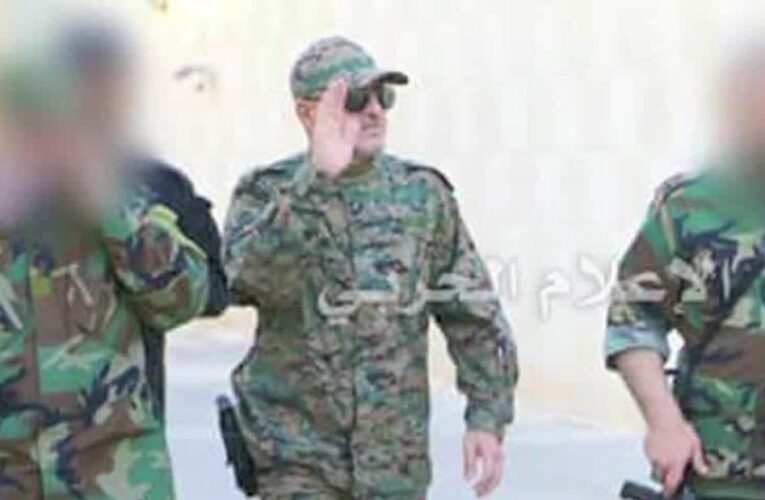
Hezbollah is accusing Islamist extremists of killing its military commander in an explosion in Syria.